
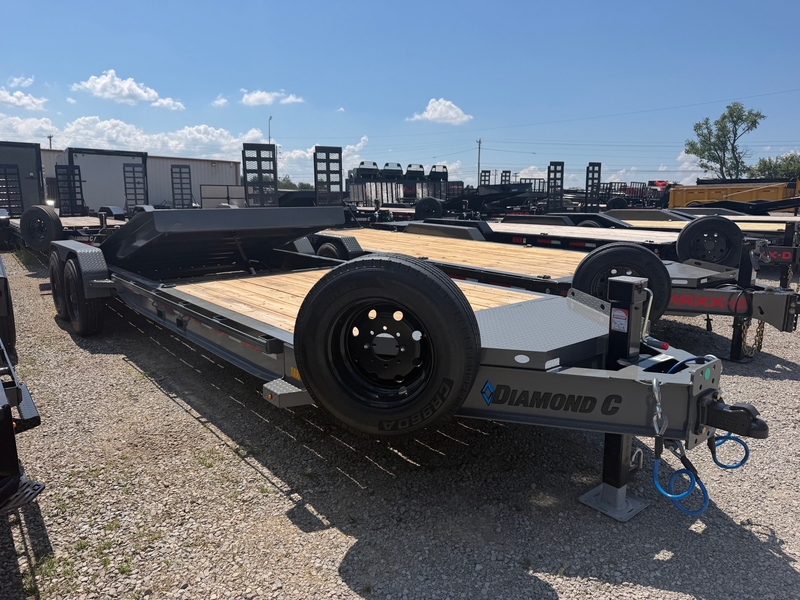
Hauling a trailer across town is one thing. Hauling it hundreds of miles down the highway is another. Long-distance hauling puts sustained demands on your equipment and your attention that shorter trips simply do not, and the right accessories make the difference between a smooth, safe haul and a trip full of stress and potential problems.
Whether you are moving equipment across the state, hauling livestock to a distant sale, or taking a long trip with a loaded trailer behind you, having the right gear on hand keeps you safe, keeps your cargo secure, and keeps small issues from becoming roadside emergencies. This guide walks through the accessories worth having for long-distance hauling and why each one earns its place.
Start With Safety and the Connection
The single most important part of any haul is the connection between your trailer and your tow vehicle, and long-distance trips make getting it right even more critical. A few accessories here are non-negotiable.
Properly Rated Hitches and Safety Chains
A properly rated hitch and coupler matched to your trailer’s weight is the foundation of a safe haul. Beyond the hitch itself, quality safety chains are essential, crossed under the coupler so they can catch the tongue if the trailer ever comes off the ball. These are not optional extras, they are basic safety equipment, and for long hauls it is worth confirming everything is in good condition before you leave rather than discovering a problem on the highway.
Trailer Brake Controllers
A brake controller is essential for any trailer equipped with electric brakes, and for long-distance highway hauling, reliable trailer braking matters enormously. Proper braking shortens your stopping distance, reduces strain on your tow vehicle, and gives you far better control in emergency situations. If your trailer has brakes, making sure your controller is properly installed and adjusted is one of the most important things you can do.
Weight Distribution Hitches and Sway Control
Weight distribution and anti-sway equipment deserve serious consideration for long hauls, particularly with heavier loads or bumper pull trailers. A weight distribution hitch spreads the trailer’s tongue weight more evenly across the axles of both the trailer and tow vehicle, which improves handling and stability. Anti-sway control helps counteract the trailer sway that can develop at highway speeds or in windy conditions, which is exactly the kind of situation you encounter on long trips.
Tie-Downs and Cargo Securement
On a long haul, your cargo is subjected to hours of vibration, wind, braking, and movement. Cargo that seemed secure enough for a short trip can shift or come loose over a long distance, so proper securement is essential.
Quality ratchet straps, chains, and binders appropriate for your load are the foundation of cargo securement. It is worth investing in straps rated well above what you think you need and inspecting them regularly for wear, since a failed strap at highway speed is dangerous. For equipment and heavy loads, chains and load binders provide the security that straps alone may not.
Having more tie-down points and more securement gear than you think you need is a good rule for long-distance hauling. Loads settle and shift over time, and the ability to check and re-secure your cargo during stops keeps everything in place for the full trip. Wheel chocks are also worth carrying, both for securing wheeled equipment on the trailer and for stabilizing the trailer itself during loading and stops.
Corner protectors and padding help prevent your straps from being cut by sharp edges on your cargo and protect the cargo itself from strap damage. On a long haul where straps are under tension for hours, this kind of protection prevents the gradual wear that can lead to a failure.
Tire and Wheel Essentials
Tires are one of the most common sources of trouble on long-distance hauls, and being prepared for tire issues is one of the smartest things you can do before a long trip.
Spare Trailer Tires and Tire-Changing Tools
A properly sized, properly inflated spare tire is essential. A flat far from home with no spare turns a minor issue into a major ordeal, and on a long haul the odds of a tire problem go up simply because of the distance covered. Along with the spare, carry the tools you need to change it, including a jack rated for your trailer’s weight and a lug wrench that fits your trailer’s lug nuts. It is worth confirming that your equipment actually works with your trailer before you need it on the side of a highway.
Trailer Tire Pressure Monitoring Systems
A tire pressure monitoring system is a valuable accessory for long-distance hauling. Trailer tires are out of sight and easy to forget about, and a slow leak or a tire heating up can go unnoticed until it fails. A monitoring system alerts you to pressure and temperature changes before they become blowouts, which is exactly the kind of early warning that prevents roadside emergencies. A quality tire pressure gauge is a simpler must-have for checking your tires at every stop.
Wheel Bearing Maintenance and Spare Bearings
Properly maintained wheel bearings matter enormously on long hauls, since bearings that run hot over long distances can fail and leave you stranded. While this is more about maintenance than an accessory, carrying spare bearings and having your bearings inspected and greased before a long trip is a smart precaution.
Visibility and Lighting
Long-distance hauling often means driving in varied conditions, including darkness, rain, and unfamiliar roads, which makes visibility equipment important for both your safety and everyone else’s. Working trailer lights are a legal requirement and a safety essential. Before a long trip, confirm that all your running lights, brake lights, and turn signals are functioning, since a burned-out light is both a hazard and a reason to get pulled over far from home. Carrying spare bulbs and fuses lets you fix a lighting issue on the road rather than driving unsafely or waiting for help.
Reflective tape and markers improve your trailer’s visibility to other drivers, particularly at night, which matters more on long highway trips than on quick local hauls. Extended tow mirrors are also worth having if your trailer is wider than your tow vehicle, since seeing down both sides of your rig is essential for safe lane changes and merging over long distances.
Emergency and Roadside Gear
When something goes wrong hundreds of miles from home, having the right gear on hand keeps a problem manageable. A basic roadside kit tailored to hauling is worth assembling before any long trip.
Reflective triangles or road flares let you mark your position if you have to stop on the shoulder, which is a safety issue when you are pulled over with a large rig on a busy highway. A quality flashlight or headlamp is essential for dealing with any issue after dark. Basic tools, including the ones specific to your trailer, let you handle minor repairs and adjustments on the road.
Other worthwhile items include spare fuses and bulbs, extra straps, electrical tape and basic repair supplies, work gloves, and a first aid kit. The goal is to be able to handle the common issues that come up on long hauls without being completely dependent on finding help in an unfamiliar area. It is also worth having a plan for roadside assistance that covers trailers, since not all standard plans do.
Comfort and Convenience Items
Long-distance hauling is demanding on the driver, and a few accessories make the experience less taxing, which contributes to safety by keeping you alert and comfortable.
A backup camera makes hitching, maneuvering, and monitoring your trailer significantly easier, which is valuable both for safety and for reducing the stress of handling a large rig. Trailer locks and hitch locks provide security when you have to leave your trailer unattended overnight or during stops, which is a real consideration on multi-day trips. Organized storage for your gear, whether a toolbox mounted on the trailer or a well-packed kit, means you can find what you need when you need it rather than digging through a pile on the shoulder.
Do Not Forget the Pre-Trip Inspection
No accessory replaces a thorough pre-trip inspection, which is arguably the most important habit for safe long-distance hauling. Before a long haul, check your tire pressure and condition including the spare, confirm your lights are all working, inspect your safety chains and hitch connection, verify your brakes are functioning, check your wheel bearings, and confirm your cargo is properly secured.
Taking the time to work through these checks before you leave catches the problems that are far easier to address in your driveway than on the side of a highway. The best accessories in the world do not help if a preventable problem sends you to the shoulder, and a good inspection is what ties all of your preparation together.
Gear Up for the Long Haul at Penner Trailer Sales
Long-distance hauling rewards preparation. The right accessories keep you safe, protect your cargo, and give you the tools to handle the issues that come up over long distances without turning them into emergencies. Building out your setup with the gear that matches your trailer and your hauling needs is an investment that pays off every mile of every trip.
Whether you need securement gear, safety equipment, or advice on setting up your rig for long-distance trips, our team can help you find the right accessories and make sure your setup is ready for the road. If you have a long haul coming up and want to make sure you are properly equipped, stop by Penner Trailer Sales and we will help you get ready.
Frequently Asked Questions About Long-Distance Hauling Accessories
What is the most important accessory for long-distance hauling?
Reliable braking and a properly rated, well-maintained connection between trailer and tow vehicle are the foundation everything else builds on. A spare tire and the tools to change it are close behind, since tire trouble is one of the most common issues on long hauls.
Do I really need a tire pressure monitoring system?
Not strictly, but few accessories earn their keep faster on a long haul. Trailer tires are out of sight and easy to forget, and a slow leak or overheating tire can fail before you ever notice. A monitoring system warns you in time to pull over instead of blowing out.
What tie-down equipment do I need for hauling equipment long distances?
Quality ratchet straps, chains, and load binders rated well above your load’s weight, along with plenty of tie-down points. For heavy equipment, chains and binders provide security that straps alone may not. It is also smart to carry more securement gear than you think you need, since loads settle and shift over long distances and you will want to re-secure during stops.
How often should I stop to check my trailer on a long haul?
Check shortly after you set out, once the load has had a chance to settle, and then at every fuel and rest stop, looking over your tires, cargo, and connection each time.
What should be in a roadside kit for trailer hauling?
Reflective triangles or flares, a flashlight or headlamp, spare bulbs and fuses, extra straps, basic tools including any specific to your trailer, electrical tape and repair supplies, work gloves, and a first aid kit. A spare tire with the proper jack and lug wrench is essential. The idea is to be able to handle common issues without depending on finding help in an unfamiliar area.
Is a weight distribution hitch necessary for long-distance hauling?
It depends on your setup and load. For heavier loads and bumper pull trailers especially, a weight distribution hitch improves handling and stability by spreading the tongue weight more evenly, and anti-sway control helps counteract the sway that develops at highway speeds and in wind. For long highway hauls, that added stability is well worth considering. A dealer can help you determine whether your specific setup would benefit.