
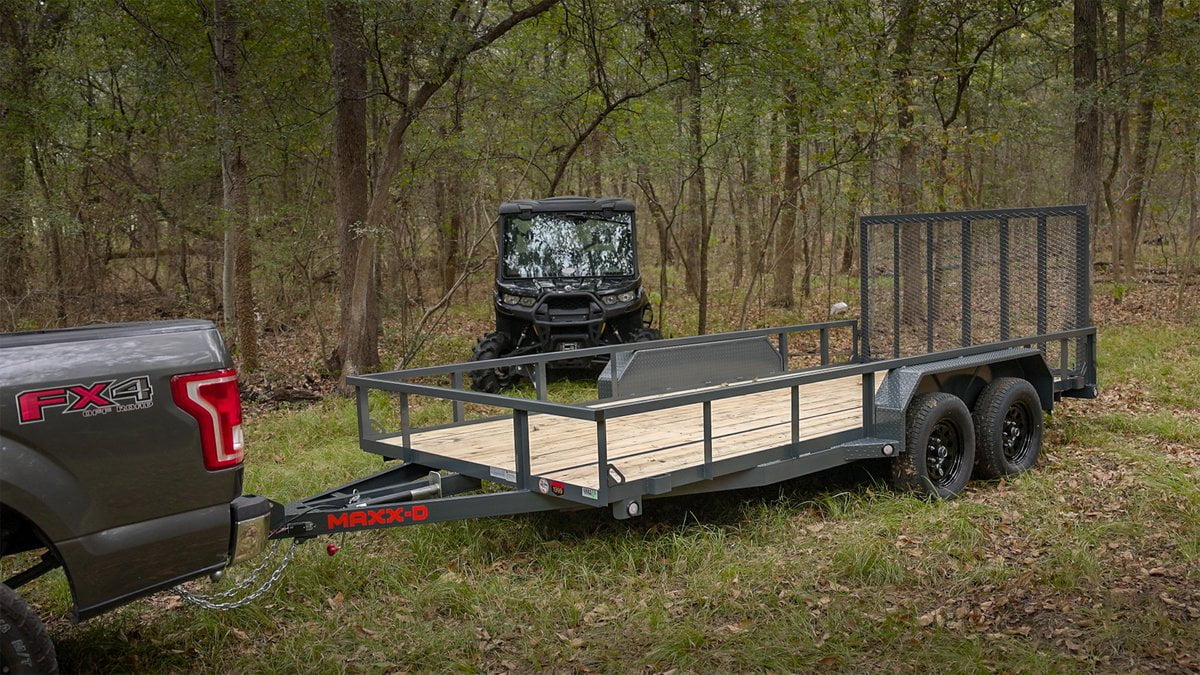
Not all trailers are built the same, even if they look similar at first glance. The differences usually come down to how the trailer is built, what materials are used, and how much weight it is designed to handle.
If you are trying to choose the right trailer, it helps to understand a few key factors. Knowing what to look for can make the difference between a trailer that holds up over time and one that causes problems down the road.
What Defines a Quality Trailer?
A quality trailer is one that is built to handle its intended load safely and consistently. It should feel stable when towing, hold up under regular use, and not require constant repairs.
Three of the biggest factors that affect trailer quality are materials, axle setup, and load ratings. They don’t work in isolation either. A trailer with a high load rating but a poorly designed frame is still going to give you problems. So is one built with decent steel but axles that aren’t matched to the weight you’re carrying. When all three are dialed in together, that’s when you get a trailer that performs the way it should and actually lasts.
Key Factors That Affect Trailer Quality
1. Frame Materials
The frame is the foundation everything else is built on. Most trailers use steel or aluminum. Steel holds up better under heavy, repeated use. Aluminum is lighter and won’t corrode, which matters if you’re hauling near water or want easier towing. Either way, look at the welds. Sloppy or inconsistent welds are one of the clearest signs of a trailer that was built to a price, not a standard.
2. Decking Material
Wood, steel, or composite. Each works, depending on what you’re hauling and how often. Look for solid attachment and minimal flex when weight is applied.
3. Axle Configuration
Axles do more than just hold the wheels. They determine how much weight the trailer can carry, how it handles on the road, and how stable it feels at highway speeds. Single axle trailers are lighter and easier to back into tight spots, but they have limits. Once you’re hauling anything substantial, tandem axles make a real difference in both stability and capacity. The axle rating needs to match your actual load, not just come close.
4. Suspension System
Better suspension means less stress on the trailer and whatever you’re carrying. Worth paying attention to if you’re hauling over rough roads regularly.
5. Load Ratings (GVWR and Payload)
These numbers matter more than most people realize. GVWR is the maximum total weight the trailer can handle, including itself. Payload is what you can actually put on it. Both numbers need to clear your expected load with room to spare. Consistently running a trailer at or near its limit accelerates wear on axles, tires, and the frame in ways that aren’t always obvious until something fails. If you’re on the fence between two capacity classes, go with the higher one.
6. Braking System
Required on heavier trailers, and for good reason. Electric or hydraulic brakes give you real stopping control. Make sure the system is matched to the trailer’s size and weight.
7. Tires and Wheels
Trailer tires are built differently than vehicle tires and rated for heavier static loads. Using the wrong tires, or worn ones, is one of the more common causes of trailer problems on the road. Check load ratings, tread condition, and wear patterns before you haul anything significant.
8. Overall Build Quality
This one is harder to put a number on, but you can usually see it. Clean welds, hardware that fits properly, a finish that was applied consistently. These details reflect how much care went into the build overall and tend to predict how the trailer holds up after a few years of real use.
How to Choose the Right Trailer for Your Needs
Start by thinking about what you plan to haul and how often you will use the trailer. Weight is one of the most important factors, so it is important to know the combined weight of your equipment and cargo.
It also helps to consider the conditions you will be using the trailer in. Frequent use, rough terrain, or heavier loads all require a stronger setup.
Working with a trailer dealer can help you avoid guesswork and make sure the trailer you choose is built for your needs.
When Does Trailer Quality Matter Most?
Trailer quality matters any time you are hauling weight, but it becomes even more important with heavier loads or frequent use. A lower-quality trailer may work for light, occasional hauling, but it can start to show problems over time.
Common issues with lower-quality trailers include frame wear, poor handling, and higher maintenance needs. Choosing a well-built trailer from the start helps avoid these problems.
Quality Trailers at Penner Trailer Sales
At Penner Trailer Sales, we focus on trailers that are built to handle real use. Whether you are hauling equipment, materials, or general cargo, we can help you find a trailer that matches your needs.
We take the time to walk through materials, axle setups, and load ratings so you know exactly what you are getting. The goal is to help you choose a trailer that will perform reliably over time. If you are looking for a quality trailer, Penner Trailer Sales can help you find the right option.
Frequently Asked Questions
What is the most important factor in trailer quality?
Materials, axle setup, and load ratings all depend on each other, so there’s no single answer. A trailer built with heavy-gauge steel but undersized axles is still going to give you problems under a real load. The best trailers get all three right, and you usually notice the difference within the first season of use.
Is steel or aluminum better for a trailer?
Depends on what you’re hauling. Steel is stronger for heavy use, aluminum saves weight and won’t rust.
How do I know if a trailer can handle my load?
Check the GVWR and payload rating as your loaded weight needs to come in under both numbers, ideally with room to spare. Running a trailer at its limit stresses the axles, tires, and frame in ways that compound over time. When in doubt, size up. The cost difference between trailer classes is usually less than one major repair.
Do I need a tandem axle trailer?
For heavier loads, yes. Tandem axles provide better stability and weight distribution. For lighter use, a single axle trailer may be enough.
When should I be concerned about trailer quality?
Right away, if something looks off. Rushed welds, poorly fitted components, a frame that flexes when it shouldn’t as these aren’t cosmetic issues. They get worse under load and after a few seasons outside. A trailer that needs constant attention isn’t actually saving you money, and at a certain point it becomes a safety issue too.