
Meta Description:
Learn how to buy a utility trailer with these 17 expert tips that will help you choose the right trailer for your towing vehicle, budget, and hauling needs.
Understanding Utility Trailers
Before buying a utility trailer, it’s crucial to understand what it actually is. A utility trailer is a versatile, non-motorized vehicle towed behind a car or truck, used for transporting goods, equipment, or materials. They’re invaluable for landscaping, farming, construction, or simply moving furniture.
Utility trailers come in various forms:
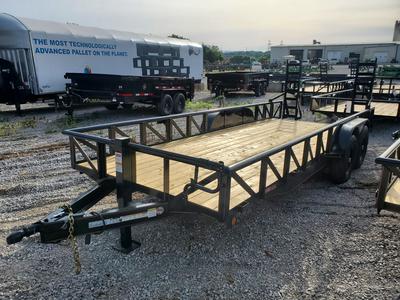
- Open trailers: Great for lawnmowers, ATVs, or hauling debris. These are lighter, more affordable, and easier to load.
- Enclosed trailers: These offer security and protection from weather, making them better for commercial use, including weather-sensitive cargo or tools.
- Flatbeds: Used in transporting heavy or bulky equipment.
- Dump trailers: Excellent for construction or landscaping jobs.
Matching the Trailer to Your Hauling Needs
Knowing exactly why you need a trailer is the first step toward making a smart purchase. Will you be hauling garden supplies occasionally, or are you running a business that needs dependable transportation every day? Think about:
- Frequency of use
- Types of materials or equipment
- Road conditions (paved, gravel, off-road)
- Distance traveled
Different jobs require different trailers, what works for weekend chores won’t cut it for commercial hauling.
Your trailer is only as useful as your tow vehicle’s capacity. Before selecting a trailer, it’s critical to understand what your vehicle can safely handle to avoid mechanical strain, safety risks, and premature wear.
1. Understand Your Towing Capacity
Check your vehicle’s Gross Combined Weight Rating (GCWR). This number represents the maximum total weight your vehicle can safely manage, including:
- The trailer
- The cargo on the trailer
- Passengers
- Any additional gear inside the vehicle
Never exceed this rating, as doing so can compromise braking, steering, and overall safety.
2. Confirm Vehicle Compatibility
Before purchasing a trailer, verify that:
- Your vehicle can safely support the size and weight of the trailer you’re considering
- You have the proper hitch class installed
- Your suspension, brakes, and cooling system are rated for towing
3. Hitch Class Overview
Different hitch classes support different weight limits:
- Class I: Up to 2,000 lbs (small utility trailers and light hauling).
- Class II: Up to 3,500 lbs (mid-size utility trailers).
- Class III+: 5,000 lbs and above ( heavy-duty trailers and commercial workloads).
Choosing the correct hitch class is just as important as choosing the right trailer.
Trailer Size and Weight Ratings
Understanding trailer weight ratings is essential for safe towing and long-term performance. You’ll often see terms like GVWR, payload, and curb weight—here’s what they mean and why they matter.
Gross Vehicle Weight Rating (GVWR)
GVWR is the maximum total weight your trailer can safely handle, including the trailer itself and its cargo. Exceeding this limit can damage your trailer, strain your tow vehicle, and create dangerous driving conditions.
Bed Dimensions
Select your bed size based on:
- What you’ll haul most often
- Whether your cargo is oversized or awkwardly shaped
- How much room you want for future projects
Payload vs. Curb Weight
- Curb Weight: The weight of the empty trailer
- Payload Capacity: How much cargo the trailer can safely carry
Understanding both numbers ensures you stay within safe towing limits.
Materials and Build Quality
The materials and construction of the trailer you choose will impact how it performs over time, and how much upkeep it requires.
Steel vs. Aluminum Trailers
- Steel trailers are strong and cost-effective but heavier and more susceptible to rust.
- Aluminum trailers are lightweight and naturally rust-resistant, but usually come at a higher price point.
Frame Strength and Flooring
Inspect the overall frame for solid welds and proper reinforcement. Pay attention to the flooring as well. Treated wood is common and affordable, while steel and composite floors offer added durability.
Rust Resistance
Look for powder-coated frames, galvanized hardware, and pressure-treated wood. These features help protect your trailer from long-term corrosion and weather damage.
Axles and Suspension Systems
Axles and suspension directly impact how much weight your trailer can handle and how it rides on the road.
Single vs. Tandem Axles
- Single axle trailers are easier to maneuver, more affordable, and best for lighter loads.
- Tandem axle trailers provide better stability for heavier loads and perform more smoothly at highway speeds.
Leaf Spring vs. Torsion Suspension
- Leaf spring suspension is a more traditional (and budget-friendly) option, but can be a rougher ride.
- Torsion suspension offers a much smoother, quieter ride with less maintenance.
Brakes and Safety Features
Many states require trailer brakes for loads over 3,000 lbs, but safety should always be a priority regardless of local laws.
Electric Brakes
Electric brakes connect to your vehicle’s brake controller and provide reliable, adjustable stopping power.
Breakaway Kits
Breakaway kits automatically engage the trailer’s brakes if it becomes detached from your tow vehicle.
Reflectors and Lighting
Your trailer should always have fully functioning brake lights, turn signals, and side reflectors to ensure proper visibility.
Trailer Tires and Wheels
Tires are one of the most important safety components on a trailer, and they’re often overlooked during the buying process. Taking a few minutes to inspect and understand the tires before you purchase can save you headaches later.
- Always look for ST-rated (Special Trailer) tires. Passenger or truck tires are not designed for trailer loads and can fail under stress.
- Check the tire size, load rating, and overall tread condition to make sure they match the trailer’s weight capacity.
- A spare tire is extremely helpful in emergencies. Ask if one is included, or can be added.
- On used trailers, inspect for dry rot, cracks, uneven wear, or aging, especially on used trailers.
- After purchase, keep tires properly inflated and inspected regularly to extend their life and improve towing safety.
Registration and Legal Requirements
Trailer regulations vary by state, but several basic rules apply almost everywhere.
Trailer Registration
Trailer RegisMost utility trailers must be registered with your local DMV or transportation office.
DOT Compliance
DOT regulations apply primarily to commercial use and include proper lighting, markings, and safety equipment.
Insurance Considerations
Some states or lenders require separate insurance coverage for utility trailers.
Inspection Checklist Before Buying a Trailer
Before purchasing, take time to inspect:
- Tires and wheels
- Frame welds and overall structure
- Axles and suspension
- Lighting and wiring
- Rust or corrosion
- Brake operation
- Documentation (title, VIN, registration)
FAQs About Buying a Utility Trailer
Do I need a title for a utility trailer?
In most states, yes, especially if the trailer weighs over 2,000 lbs. Some smaller trailers may only require registration. Since rules vary, it’s always best to double-check with your local DMV before you buy.
What size utility trailer should I get?
Think about the largest thing you’ll haul on a regular basis and go from there. A 5’x8’ is a popular size for homeowners doing yard work or small projects, while a 7’x16’ is more common for heavier commercial or equipment use.
Can I tow a utility trailer with an SUV?
In many cases, yes, as long as your SUV’s towing capacity can handle the trailer’s weight and you have the correct hitch installed. Always confirm your vehicle’s towing specs before hooking up.
What’s the average lifespan of a utility trailer?
With basic maintenance and proper storage, a well-built trailer can easily last 10 to 20 years or more.
Q5: Should I get a trailer with a ramp gate?
If you plan on loading anything with wheels (like lawnmowers, ATVs, or small equipment) a ramp gate will make your life much easier and safer.
Can I negotiate the price of a trailer?
Yes, especially when buying used or working with private sellers. Dealerships may also be more flexible during slower months or when they’re trying to move older inventory.