
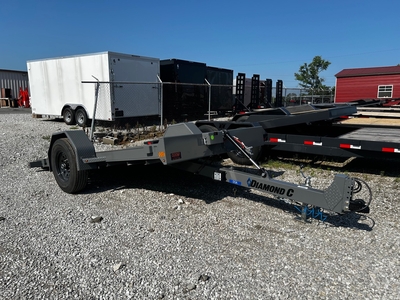
When it comes to selecting the right trailer for your business or personal use, single-axle trailers are often a go-to choice. Known for their maneuverability and ease of towing, these trailers are versatile and practical for a variety of applications.
However, a common question arises that how much weight can a single axle trailer hold? At Penner Trailer Sales, we specialize in providing comprehensive information and tailored solutions to help you make an informed decision. Let’s dive into the details of single-axle trailers, their load capacities, and best practices for safe and efficient towing.
Understanding Single Axle Trailers
Single-axle trailers are distinguished by having only one axle and one or two wheels on each side. This design makes them lighter and easier to maneuver compared to their double- or multiple-axle counterparts. Small businesses, hobbyists, and individuals who need to move items like landscaping equipment, small machinery, or everyday goods often use single-axle trailers for transporting light to moderate loads.
Load Capacity of Single Axle Trailers
The load capacity of a single axle trailer can vary significantly based on its construction, design, and the materials used. Generally, single-axle trailers can carry between 2,000 and 10,000 pounds. This range is influenced by several factors, including:
- Trailer Construction: The materials used in the trailer’s construction, such as steel or aluminum, play a crucial role in determining its strength and load capacity. Steel trailers are typically more robust and can handle heavier loads, while aluminum trailers are lighter and may have a lower capacity but offer better fuel efficiency.
- Axle Rating: The axle’s weight rating, known as Gross Axle Weight Rating (GAWR), is a critical factor. It indicates the maximum weight the axle can support, including the trailer itself and the cargo. For example, a trailer with a 3,500-pound weight can safely carry a total weight (including the trailer) of up to 3,500 pounds.
- Tire Capacity: A single-axle trailer’s tires also contribute to its overall load capacity. You should not exceed the specific load rating of tires. Make sure the tires match the weight you plan to transport.
- Frame and Suspension: The strength of the trailer’s frame and the type of suspension used can affect its load capacity. A well-built frame and reliable suspension system can better distribute the weight and handle heavier loads.
Select the Appropriate Trailer for Your Requirements
Selecting the right single axle trailer involves more than just considering its load capacity. It’s crucial to match the trailer to your specific requirements and ensure that it can safely handle the loads you plan to transport. Here are some key considerations:
- Type of Cargo: The nature of the cargo you’re transporting will influence the type of trailer you need. For instance, if you’re hauling delicate items, you may require a trailer with adequate suspension and padding to protect the cargo.
- Your Towing Vehicle: Ensure that your vehicle can safely tow the trailer and its maximum load. Check the vehicle’s towing capacity and ensure it aligns with the trailer’s GAWR.
- Frequency of Use: Consider how often you’ll be using the trailer. For occasional use, a lighter trailer with a lower capacity may suffice. However, for frequent or heavy-duty use, investing in a stronger, higher-capacity trailer is advisable.
- Legal Requirements: Be aware of the legal weight limits and regulations in your area. Overloading a trailer can not only be dangerous but may also lead to fines and penalties.
Best Practices for Safe Towing
Ensuring the safety and longevity of your single-axle trailer involves proper maintenance and adherence to best towing practices. Here are some tips to keep in mind:
- Weight Distribution: Proper weight distribution is crucial for safe towing. Make sure at least 60% of the weight of the load is forward of the axle on the trailer, and the load is centered from side to side. An improperly balanced load can lead to instability and increase the risk of accidents.
- Regular Maintenance: Regularly inspect the trailer’s tires, brakes, lights, and hitch to ensure everything is in excellent working condition. To avoid problems on the road.
- Tire Pressure: Check the tire pressure regularly and ensure it is within the recommended range. Properly inflated tires help maintain stability and reduce the risk of blowouts.
- Safe Driving Practices: When towing a trailer, adjust your driving habits. Allow for longer stopping distances, take turns slowly, and be cautious when changing lanes. Keep your speed within safe limits, especially when carrying heavy loads.
For expert guidance, visit Penner Trailer Sales.
At Penner Trailer Sales, we’re dedicated to helping you find the perfect trailer to meet your needs. Our team of experts is here to provide personalized advice and recommendations based on your specific requirements. Whether you’re looking for a single axle trailer for personal use or to support your business operations, we have a wide selection of high-quality trailers to choose from.